From preservation to participation: Enabling heritage buildings to give back to the city through adaptive reuse
Published: August 24, 2026
At Open House Melbourne 2026, the Sustainable Architecture Committee of the Australian Institute of Architects brought together industry experts and the public to explore a timely question: are our buildings giving back or simply taking up space? The session challenged participants to consider how buildings can contribute to community life, cultural identity and long-term urban resilience beyond their immediate function.
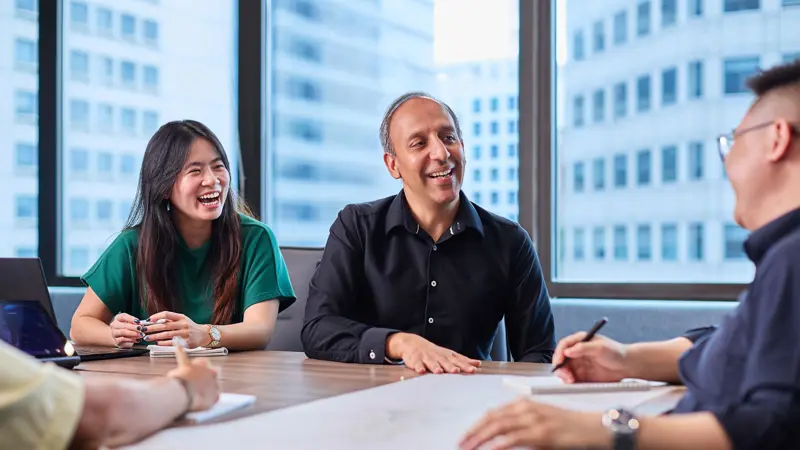
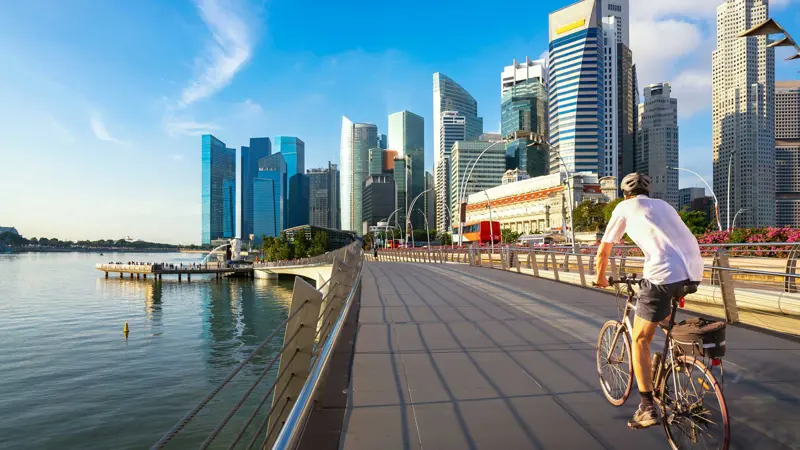
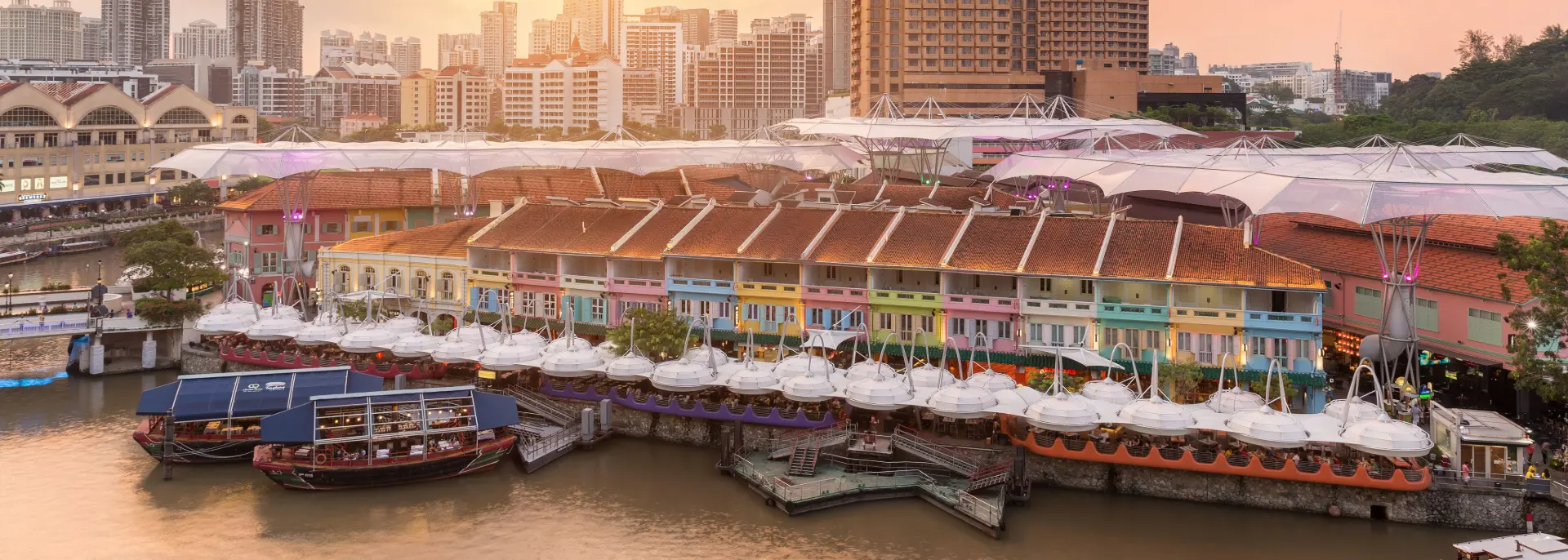
Representing an interdisciplinary perspective, Urbis Associate Directors Kim Roberts (Heritage), Harry Scott (Economics & Property), and Cistri’s Director Melissa Luki explored the role of heritage places as cultural and economic catalysts, drawing on examples from Melbourne and Singapore.
Heritage as an asset for the future
Heritage is not simply about preserving buildings. It is also about ensuring historic places remain relevant and useful through new uses and new forms of activity. Adaptive reuse can support cultural production, social connection, economic participation and environmental sustainability while maintaining links to a place's history and identity.
The discussion drew on Canadian poet Anne Carson’s concept of the “economy of the unlost”, introducing a way of thinking about the places, stories and cultural resources that have survived despite the pressures of time and redevelopment. Rather than viewing heritage as a constraint on change, the conversations highlighted its role in supporting new uses, communities and forms of activity through adaptive reuse.
Lessons from adaptive reuse
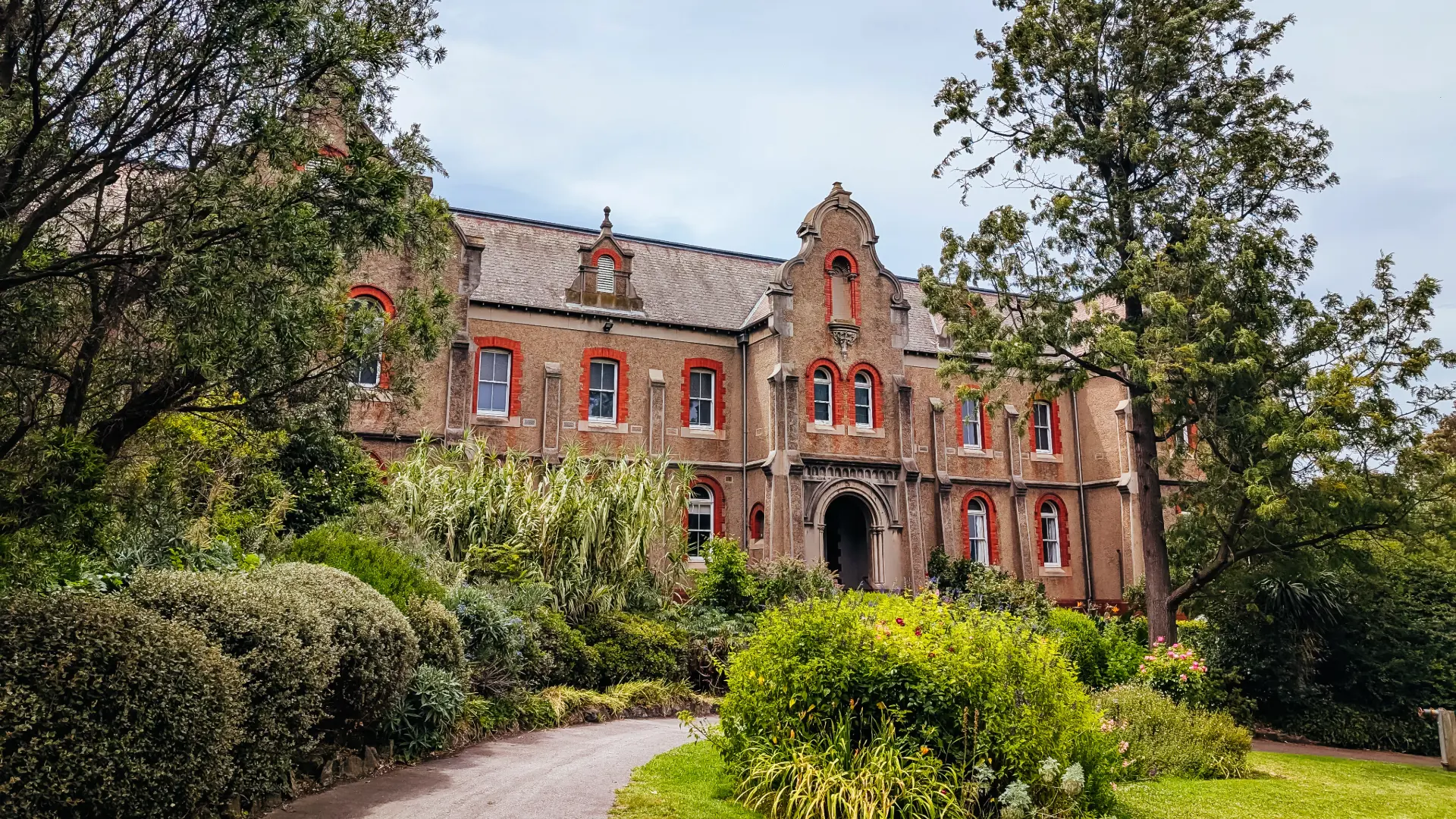
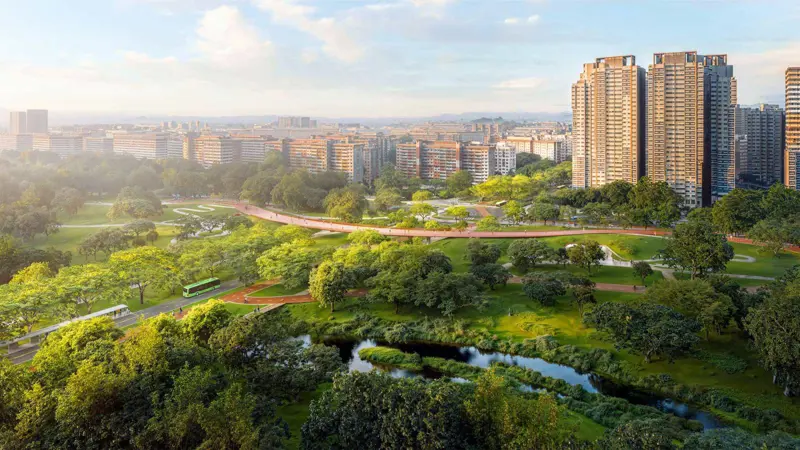
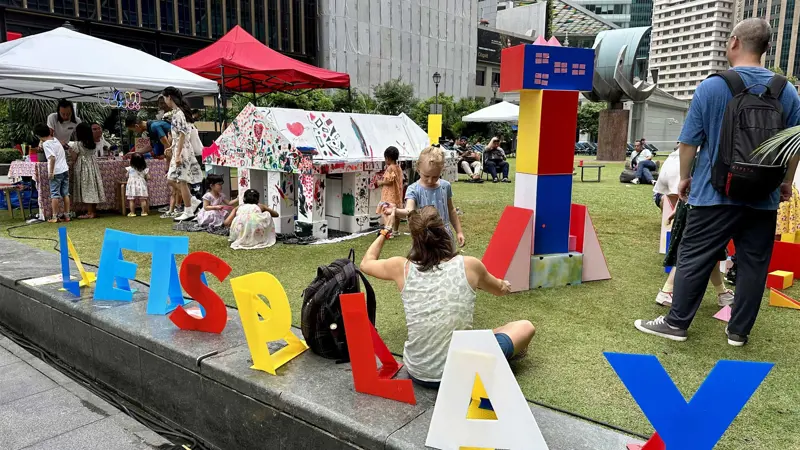
Drawing on projects from both Singapore and Melbourne, the session highlighted how existing buildings can be reimagined to support contemporary community needs while retaining their cultural significance. Examples shared demonstrate how former institutional and heritage buildings can become hubs for creativity, social enterprise, local business and community activity. In each case, adaptive reuse has enabled the continued evolution of the place to meet the community’s present social and economic needs while maintaining a connection to its history and identity.
Embracing complex histories
Importantly, the conversation acknowledged that heritage places may carry difficult or contested histories. Successful reuse does not require these histories to be sanitised or overlooked. Instead, recognising and engaging with the layered stories of a place can strengthen its relevance, meaning and contribution to contemporary communities.
Creating places that give back
For Urbis and Cistri, the discussion reinforced a broader proposition: heritage buildings are not passive artefacts of the past. When thoughtfully adapted, they become active participants in city life, supporting culture, enterprise, inclusion and sustainability.
As our cities continue to grow and evolve, the challenge is not whether heritage buildings deserve a place in them, but how we can help them contribute even more to our collective future.
Cistri’s Melissa Luki was also recently featured in Singapore’s The Business Times sharing her perspective on the role of adaptive reuse in Singapore's evolving built environment.
Read more here.